Vagus nerve stimulation (VNS) and its emerging role in pain and dental care
Key Highlights
- Neuromodulation with anti-inflammatory effects: Vagus nerve stimulation modulates brain pain pathways and reduces inflammatory cytokines, supporting recovery after surgical procedures.
- Growing clinical evidence, limited dental data: Strong FDA-backed and emerging evidence exists for epilepsy, depression, migraine, and postsurgical pain, while dental applications remain experimental.
- Adjunctive—not standard—therapy: Noninvasive VNS may offer a future role in managing dental postoperative pain, but careful device selection, patient screening, and safety considerations are essential.

What is vagus nerve stimulation?
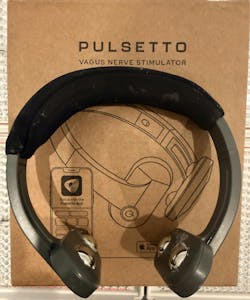
Vagus nerve stimulation (VNS) is a treatment that uses mild electrical pulses to influence how the brain and nervous system work. A small implanted or external device sends gentle signals through the vagus nerve in the neck to the brain stem, where they are distributed to different brain regions. These signals help regulate pain, mood, and inflammation. Because of its regulatory effect, VNS is sometimes called a “pacemaker for the brain.” In addition to implanted versions, newer noninvasive VNS (nVNS) devices—such as Pulsetto—stimulate the vagus nerve through the skin of the neck or ear without surgery (figure 1).1
How vagus nerve stimulation reduces pain
VNS helps control pain by activating brain regions that dampen pain signals and by reducing inflammation in the body.2 It strengthens descending inhibitory pathways (involving norepinephrine, serotonin, and GABA) that block pain transmission. It also activates the cholinergic anti-inflammatory pathway, lowering inflammatory cytokines like TNF-α, IL-1β, and IL-6, which contribute to pain sensitization. Together, these effects can lessen both nerve-related and inflammatory pain, helping the body recover after surgery.
Approved and emerging medical uses
The US Food and Drug Administration has approved implanted VNS for:
- Epilepsy: As an add-on treatment for seizures when medication alone isn’t enough
- Depression: For adults with treatment-resistant major depressive disorder3
- Stroke rehabilitation: To help improve arm and hand movement after an ischemic stroke
In pain medicine, noninvasive VNS has shown promising results in:
- Migraine and cluster headaches: FDA-cleared as an acute pain therapy
- Postsurgical pain: Recent studies report reduced pain and lower opioid use after cesarean, perianal, and orthopedic surgeries.
- Chronic pain: Early data show improvement in knee osteoarthritis and chronic low back pain.4
Potential role in dentistry
Direct clinical trials of VNS for dental postoperative pain—such as after wisdom tooth extractions, periodontal surgery, or implant placement—are limited. However, evidence from other surgical and pain studies suggests possible benefits for managing inflammation and discomfort after dental procedures. At this stage, VNS use in dentistry remains experimental and should be approached as an adjunctive therapy rather than a standard treatment.
Consumer vs. medical devices
- gammaCore: FDA-cleared for headache treatment; studied in multiple clinical trials
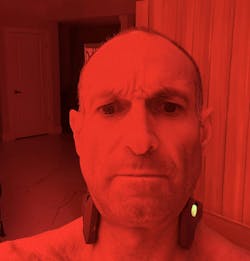
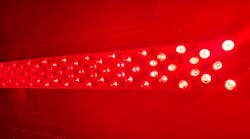
- Pulsetto: A wellness-oriented consumer device marketed for stress and sleep; early research is ongoing, but it currently lacks FDA approval for pain or dental indications. VNS has been combined with other forms of therapy such as photobiomodulation therapy to further decrease chronic pain (figure 2).
Patients should understand that most consumer VNS devices are not approved for medical pain use, and their results can vary widely.
Practical and safety considerations in dental use
If considered off-label for pain reduction, nVNS might be applied:
- Timing: 15–30 minutes before surgery and within the first 48–72 hours postprocedure
- Candidates: Patients undergoing high-inflammation or high-pain procedures (e.g., grafting, implant surgery, or extractions)
- Safety: Avoid use in patients with implanted pacemakers or cardiac conditions; stimulation may cause mild tingling, coughing, or temporary voice changes.
Key takeaways for dental professionals
- Scientific rationale: Strong biological basis—VNS reduces inflammation and modulates pain-control pathways.5
- Evidence: Robust for migraine and postoperative pain in other surgeries; limited for dental applications
- Device selection: Use medically validated systems (like gammaCore) where possible; Pulsetto and similar tools remain investigational.
- Safety first: Screen patients carefully and follow manufacturer protocols.
- Research potential: Dental clinicians are encouraged to study VNS dosing, timing, and outcomes in controlled settings.
Editor’s note: This article originally appeared in Perio-Implant Advisory, a chairside resource for dentists and hygienists that focuses on periodontal- and implant-related issues. Read more articles and subscribe to the newsletter.
References
- Austelle CW, Cox SS, Wills KE, Badran BW. Vagus nerve stimulation (VNS): recent advances and future directions. Clin Auton Res. 2024;34(6):529-547. doi:10.1007/s10286-024-01065-w
- Patel M, Sarabi SF, Chen K, et al. Vagus nerve stimulation for chronic pain management: mechanisms and clinical advances. J Biol Methods. 2025;12(4):e99010080. doi:10.14440/jbm.0051
- Bremner JD, Gurel NZ, Wittbrodt MT, et al. Application of noninvasive vagal nerve stimulation to stress-related psychiatric disorders. J Pers Med. 2020;10(3):119. doi:10.3390/jpm10030119
- Elsehrawy GG, Ibrahim ME, A Moneim NH, Hefny MA, El Shaarawy NK. Transcutaneous vagus nerve stimulation as a pain modulator in knee osteoarthritis: a randomized controlled clinical trial. BMC Musculoskelet Disord. 2025;26(1):68. doi:10.1186/s12891-025-08288-6
- Shao P, Li H, Jiang J, Guan Y, Chen X, Wang Y. Role of vagus nerve stimulation in the treatment of chronic pain. Neuroimmunomodulation. 2023;30(1):167-183. doi:10.1159/000531626
About the Author
 Scott Froum, DDS
Scott Froum, DDS
Editorial Director
Scott Froum, DDS, a graduate of the State University of New York, Stony Brook School of Dental Medicine, is a periodontist in private practice at 1110 2nd Avenue, Suite 305, New York City, New York. He is the editorial director of Perio-Implant Advisory and serves on the editorial advisory board of Dental Economics. Dr. Froum, a diplomate of both the American Academy of Periodontology and the American Academy of Osseointegration, is in the fellowship program at the American Academy of Anti-aging Medicine, and is a volunteer professor in the postgraduate periodontal program at SUNY Stony Brook School of Dental Medicine. He is a trained naturopath and is the scientific director of Meraki Integrative Functional Wellness Center. Contact him through his website at drscottfroum.com or (212) 751-8530.