Red light and near-infrared light therapy in oral care: Clinical applications and practice considerations
Key Highlights
- Red and near-infrared photobiomodulation is a low-risk adjunct that can reduce dentinal hypersensitivity, ease injection discomfort, support periodontal therapy, and promote faster oral wound healing.
- Oral health is closely tied to systemic conditions, with periodontal inflammation linked to cardiovascular disease, diabetes control, and other chronic health issues.
- Clinical success depends on proper dosing, realistic expectations, and integration with foundational care like plaque control, occlusal management, and evidence-based desensitizing therapies.
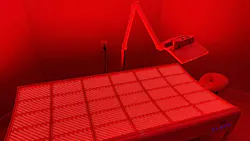
Red and near-infrared light therapy represents one of the more promising—and increasingly well-studied—adjunctive modalities available in contemporary oral health care. When applied appropriately, photobiomodulation can reduce dentinal hypersensitivity, diminish injection-related discomfort, support periodontal tissue health, and accelerate oral wound healing. As with any adjunctive therapy, clinical success depends on realistic expectations, appropriate dosimetry, and proper application in either home or clinical settings.
Why oral health matters for chronic diseases
The oral cavity should not be viewed as an isolated anatomic structure. Periodontal disease and chronic gingival inflammation are associated with increased risk of cardiovascular disease, cerebrovascular events, and neurocognitive decline.1 Poor oral health has also been correlated with adverse glycemic control in patients with diabetes and with systemic inflammatory conditions such as inflammatory bowel disease.2 Preservation of periodontal tissues and alveolar bone therefore plays a role not only in dentition maintenance but also in overall systemic health.
Practical applications of photobiomodulation in dentistry
Photobiomodulation therapy has been explored for numerous dental indications. The most clinically relevant and evidence-supported applications include:
- Dentinal hypersensitivity
- Injection-related and procedural pain
- Periodontal therapy
- Oral wound healing
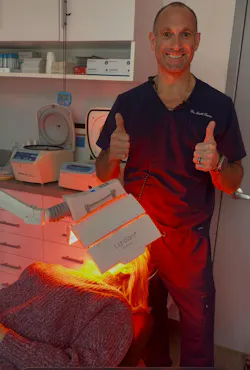
Dentinal hypersensitivity
Thermal sensitivity to hot or cold stimuli is a frequent and often chronic complaint. Multiple randomized controlled trials demonstrate a consistent benefit from red and near-infrared light therapy in reducing pain scores associated with exposed dentin.3
Typical parameters reported in the literature include:
- Wavelengths: 630–660 nm and 808–810 nm
- Dosimetry: 2–10 J/cm², with lower initial doses recommended
- Clinical outcomes: 40%–70% reduction in reported sensitivity after repeated applications
- Application: localized exposure to affected tooth surfaces or adjacent gingiva for 20–30 seconds per site
It is essential to identify contributing etiologic factors such as bruxism, occlusal trauma, and erosive wear. Occlusal guards, stress management, and nasal breathing techniques should be considered adjunctively. Desensitizing dentifrices containing hydroxyapatite or potassium nitrate remain evidence-based first-line therapies.4
Injection pain and procedural anesthesia
Fear of injection and discomfort during administration of local anesthesia remain significant barriers to dental care. Several studies suggest that preprocedural application of near-infrared light to neural tissues may reduce perceived pain.5
Reported clinical parameters include:
- Effective wavelengths: 800–900 nm
- Dosimetry: 60–70 J/cm²
- Clinical effect: 20%–40% reduction in pain perception
- Application: targeted irradiation of nerve pathways prior to injection
Current evidence does not consistently demonstrate prolonged anesthetic duration or improved block success. However, reduced pain perception may improve patient compliance and reduce dental anxiety.
Periodontal therapy
Periodontal disease encompasses gingivitis through advanced periodontitis with alveolar bone loss. Photobiomodulation is not a substitute for mechanical debridement but serves as a valuable adjunctive therapy capable of reducing inflammatory burden and enhancing tissue repair.6
Reported findings include:
- Over 100 published studies with approximately 75% demonstrating positive outcomes
- Typical therapeutic dose: approximately 5 J/cm² per site
- Delivery methods: handheld torches or LED intraoral devices
- Advanced approach: photodynamic therapy utilizing photosensitizers such as curcumin to reduce periodontal pathogens by up to 99.9% in controlled studies
Lifestyle risk factors—including tobacco use, alcohol consumption, poor oral hygiene, and inadequate professional care—remain major determinants of periodontal disease progression. Adjunctive therapies are most effective when integrated into a comprehensive periodontal treatment strategy.
Oral wound healing
Intraoral wounds differ from cutaneous wounds due to constant salivary exposure and microbial challenge. Low-dose red light therapy has demonstrated accelerated healing following extractions, surgical procedures, and traumatic lesions.7
Typical parameters include:
- Dosimetry: up to 3 J/cm²
- Application: 20–30 seconds per site
- Clinical outcomes: faster epithelialization and reduced postoperative discomfort
While the literature remains limited in volume, outcomes are encouraging and support further clinical investigation.
Practical delivery: The role of handheld devices
For intraoral use, handheld red or near-infrared torches offer precise targeting of specific teeth, periodontal pockets, and surgical sites. This allows clinicians and patients to control dosimetry more accurately than with generalized LED trays.
A practical dosing estimate: a device delivering 100 mW/cm² deposits approximately 6 J/cm² per minute (0.1 W/cm² × 60 seconds).
Dosing summary
- Dentinal hypersensitivity: 2–3 J/cm² per site
- Periodontal inflammation: ~5 J/cm² per site
- Injection pain: 60–70 J/cm² (clinician-administered)
- Oral wounds: 1–3 J/cm² per site
Limitations of photobiomodulation
Red light therapy does not replace surgical or mechanical periodontal therapy. It does not negate the adverse effects of tobacco use or poor oral hygiene. While it reduces pain perception, it does not reliably alter anesthetic pharmacodynamics or guarantee successful nerve blockade.
Integration into comprehensive oral care
Photobiomodulation is best incorporated alongside:
- Routine mechanical plaque control
- Occlusal therapy for bruxism
- Desensitizing dentifrices
- Sleep hygiene and stress reduction
- Optimization of systemic health
Device selection and safety
Devices should clearly report irradiance (mW/cm²). LED trays may offer convenience, but handheld devices allow greater precision. High-power protocols should be supervised by dental professionals. Direct ocular exposure should be avoided.
Conclusion
Red and near-infrared light therapy represents a low-risk adjunctive modality with demonstrated benefit in reducing dentinal hypersensitivity, minimizing injection-related discomfort, supporting periodontal therapy, and accelerating oral wound healing. Appropriate dosimetry remains essential, and clinical benefit is maximized when therapy is integrated into a comprehensive oral health-care program. Continued expansion of the literature will further refine clinical protocols and therapeutic indications.
For more information, this website is very helpful and filled with literature and resources.
Editor’s note: This article originally appeared in Perio-Implant Advisory, a chairside resource for dentists and hygienists that focuses on periodontal- and implant-related issues. Read more articles and subscribe to the newsletter.
References
- Dietrich T, Garcia RI. Associations between periodontal disease and systemic disease: evaluating the strength of the evidence. J Periodontol. 2005;76(11 Suppl):2175-2184. doi:10.1902/jop.2005.76.11-S.2175
- Huang D, Wang YY, Li BH, et al. Association between periodontal disease and systemic diseases: a cross-sectional analysis of current evidence. Mil Med Res. 2024;11(1):74. doi:10.1186/s40779-024-00583-y
- Gerschman JA, Ruben J, Gebart-Eaglemont J. Low level laser therapy for dentinal tooth hypersensitivity. Aust Dent J. 1994;39(6):353-357. doi:10.1111/j.1834-7819.1994.tb03105.x
- Bartold PM. Dentinal hypersensitivity: a review. Aust Dent J. 2006;51(3):212-218.
- Shekarchi F, Hartoonian S, Fekrazad R, Mirebeigi-Jamasbi SS. The role of photobiomodulation in minimizing pain during dental injections in adults and children: a systematic review and meta-analysis. Lasers Med Sci. 2025;40(1):318. doi:10.1007/s10103-025-04569-7
- Aykol G, Baser U, Maden I, et al. The effect of low-level laser therapy as an adjunct to non-surgical periodontal treatment. J Periodontol. 2011;82(3):481-488. doi:10.1902/jop.2010.100195
- Sourvanos D, Lander B, Sarmiento H, et al. Photobiomodulation in dental extraction therapy: postsurgical pain reduction and wound healing. J Am Dent Assoc. 2023;154(7):567-579. doi:10.1016/j.adaj.2023.03.004
About the Author
 Scott Froum, DDS
Scott Froum, DDS
Editorial Director
Scott Froum, DDS, a graduate of the State University of New York, Stony Brook School of Dental Medicine, is a periodontist in private practice at 1110 2nd Avenue, Suite 305, New York City, New York. He is the editorial director of Perio-Implant Advisory and serves on the editorial advisory board of Dental Economics. Dr. Froum, a diplomate of both the American Academy of Periodontology and the American Academy of Osseointegration, is in the fellowship program at the American Academy of Anti-aging Medicine, and is a volunteer professor in the postgraduate periodontal program at SUNY Stony Brook School of Dental Medicine. He is a trained naturopath and is the scientific director of Meraki Integrative Functional Wellness Center. Contact him through his website at drscottfroum.com or (212) 751-8530.